 336 Views
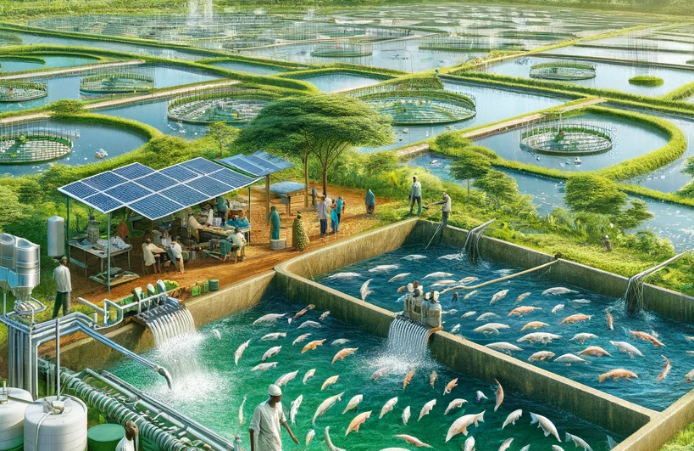
Sustainable Fish Farming Practices in Uganda: Ensuring a Greener Future
As Uganda's demand for fish continues to grow, sustainable fish farming practices are crucial for the ecological health of the region and the long-term viability of its aquaculture industry. This article explores how sustainable practices can lead to a greener and more prosperous future in Uganda.
The Importance of Sustainable Fish Farming
Sustainable fish farming is vital for reducing environmental impacts, preserving natural water bodies, and ensuring that fish populations remain stable and healthy. By adopting eco-friendly practices, Uganda can protect its biodiversity while supporting economic growth.
Key Sustainable Practices in Ugandan Aquaculture
1. Integrated Aquaculture Systems
- Polyculture Systems: Growing multiple species of fish together that benefit from each other, reducing waste, and improving water quality.
- Aquaponics: Combining fish farming with plant cultivation, where fish waste provides nutrients for plants, and plants help filter and purify the water.
2. Water Management
- Water Recycling: Using advanced systems to treat and reuse water within fish farms to conserve water and reduce pollution.
- Oxygen Levels: Maintaining optimal oxygen levels in the water to promote fish health and reduce mortality rates.
3. Feed Management
- Sustainable Feed: Utilizing feeds that are made from sustainable sources, such as plant-based proteins and byproducts from other industries, to reduce dependency on wild fish stocks.
- Feed Conversion Efficiency: Improving feed conversion ratios to ensure that less feed is wasted and more is converted into fish biomass.
4. Disease Management
- Biosecurity Measures: Implementing strict biosecurity measures to prevent the spread of diseases in fish farms.
- Natural Remedies: Using probiotics and herbal treatments instead of antibiotics to treat fish diseases, thus avoiding chemical residues.
Community and Economic Impacts
- Employment Opportunities: Sustainable fish farming creates jobs in rural areas, supporting local economies.
- Education and Training: Providing training for local farmers on sustainable practices helps raise awareness and adoption of these methods.
Challenges and Future Directions
While there are many benefits to sustainable fish farming, challenges such as initial setup costs, lack of technology, and resistance to change among traditional farmers still exist. Continued education, government incentives, and international cooperation are essential to overcome these challenges.
Sustainable fish farming in Uganda is not just an environmental or economic issue; it is a crucial strategy for securing the future of the nation’s food supply and protecting its natural resources. By investing in sustainable practices, Uganda can ensure a greener future and a thriving aquaculture industry.